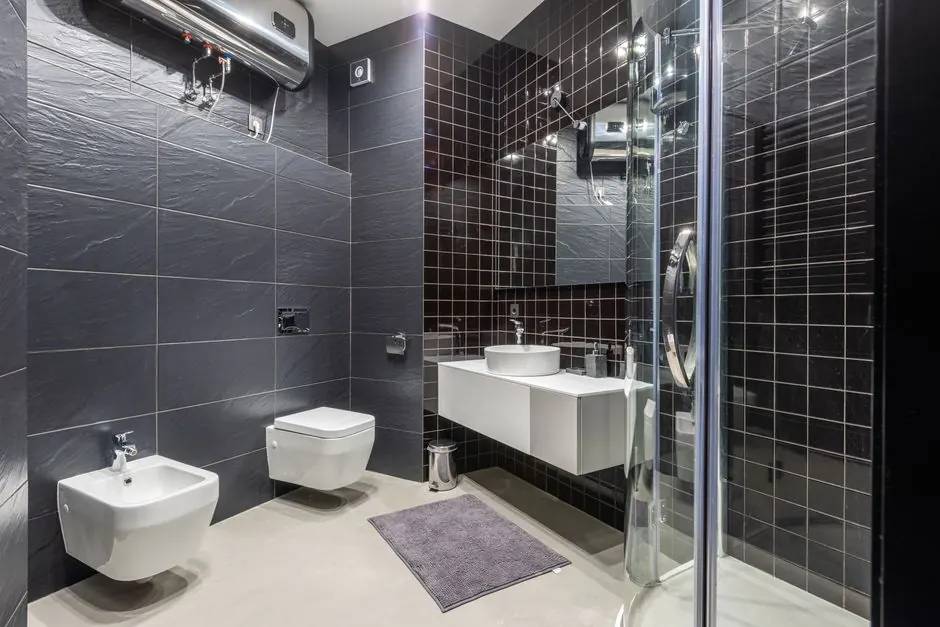
A standard water heater typically lasts between 8 to 12 years in Sandy, Utah. Factors such as maintenance, usage, and water quality can significantly influence this lifespan.
This article delves into the average lifespan of water heaters, the factors that affect their longevity, signs of failure, and tips for extending their life. Understanding these aspects can help you make informed decisions about your water heater.
What is the average lifespan of a water heater?
The average lifespan of a water heater in Sandy is generally between 8 to 12 years. For instance, electric water heaters might last on the shorter end of that range, while gas water heaters can often exceed 12 years with proper care. However, some factors can alter this lifespan, such as the model, brand, and maintenance history.
Factors affecting water heater lifespan
Several factors can impact how long your water heater will last:
- Type of water heater: Electric models tend to have a shorter lifespan compared to gas models.
- Water quality: Hard water with high mineral content can lead to sediment buildup, reducing efficiency and lifespan.
- Maintenance: Regular maintenance, such as flushing the tank, can significantly extend a water heater's life.
- Usage: Heavy usage can wear out a water heater faster than normal use.
- Installation quality: Proper installation is crucial for optimal performance and longevity.
In Sandy, many homeowners experience issues related to hard water, which can lead to premature failures. Regular Water Heater Maintenance Sandy UT is essential to counteract these issues.
Signs your water heater is failing
Recognizing the signs of a failing water heater can save you from unexpected cold showers and costly repairs. Here are some common indicators:
- Rusty or discolored water: This can indicate corrosion inside the tank.
- Strange noises: Popping or rumbling sounds may suggest sediment buildup.
- Water pooling around the unit: This often points to leaks, which require immediate attention.
- Inconsistent water temperature: If your water is not consistently hot, it may indicate a failing heating element.
If you notice any of these signs, it may be time to consider Water Heater Replacement Sandy UT or repairs to avoid further damage.
How to extend the lifespan of your water heater
To maximize the lifespan of your water heater, consider the following tips:
- Regular maintenance: Schedule yearly inspections and flush the tank to remove sediment buildup.
- Monitor water quality: Use water softeners if you have hard water to minimize mineral deposits.
- Adjust temperature settings: Keep the temperature at 120°F to prevent overheating and excessive wear.
- Inspect for leaks: Regularly check for any signs of leaks and address them promptly.
Implementing these practices can help ensure your water heater operates efficiently for years to come.
Common mistakes to avoid
Many homeowners make mistakes that can shorten their water heater's lifespan. Here are some to watch out for:
- Neglecting maintenance: Skipping regular maintenance can lead to serious issues.
- Ignoring warning signs: Delaying action when you notice problems can lead to more extensive damage.
- Improper installation: Always hire professionals for installation to avoid setup errors.
- Overworking the unit: Using hot water excessively without breaks can strain the heater.
When to call a professional
Knowing when to call a professional can save you time and money. If you notice any signs of failure or if your unit is nearing the end of its expected lifespan, contact a professional. Sandy Water Heater Pros offers reliable Water Heater Repair Sandy UT services to address your concerns effectively.
Frequently Asked Questions
1. How can I tell if my water heater needs to be replaced?
If your water heater is over 10 years old and shows signs of rust, leaks, or inconsistent heating, it may need replacement.
2. What is the average cost of water heater replacement in Sandy?
The average cost for water heater replacement in Sandy ranges from $800 to $1,500, depending on the type and installation requirements.
3. How often should I flush my water heater?
Flushing your water heater at least once a year is recommended to remove sediment buildup and improve efficiency.
4. Can I repair my water heater myself?
While some minor repairs can be DIY, it's advisable to call professionals for significant issues to ensure safety and compliance with local codes.
5. What maintenance tasks should I perform regularly?
Regular tasks include checking the temperature, inspecting for leaks, and flushing the tank annually to maintain optimal performance.